


 20th Jun 2025 13:07:50
 General Guides
Storage Heaters In Flats: What Every Landlord And Tenant Should Know
Are you still relying on storage heaters in your flat? If you are, you aren’t the only one; many people are.
From converted Victorian terraces to high-rise tower blocks, storage heaters are still extremely common in flats across the UK. Many were installed in the 70s, 80s, and 90s as a quick, low-cost electric heating solution, especially in buildings without a gas supply.
But just because they’re common, it doesn’t mean that they’re ideal!
Whether you’re a tenant and fed up with uneven heat and high bills, or a landlord trying to stay on top of EPC regulations, it’s worth understanding where storage heaters still work, and where they’ve started to fall short.
Why Are Storage Heaters Still So Common in Flats?
Storage heaters served their purpose when they were introduced, and they performed really well for the era they were brought into, so there are still many flats relying on them.
Storage heaters were:
-
Cheap and easy to install.
-
Compatible with Economy 7 to charge overnight for less.
-
Seen as fit-and-forget systems since they didn’t need regular servicing.
These factors made them popular and a key choice for developers, housing associations, and landlords alike. But fast-forward to today, and some things are starting to look very different:
-
Electricity tariffs have changed (Economy 7 is slowly going)
-
Energy bills are higher than ever.
-
EPC rules are tightening.
-
Modern tenants expect more control and comfort.
In other words, storage heaters were a great option in the past, but they no longer fit the modern flat lifestyle.

Pros and Cons of Storage Heaters in Flats
We know that storage heaters aren’t all bad, but they do have clear drawbacks.
Pros:
-
No plumbing required
-
Easy to install and maintain
-
Safe for multi-occupancy buildings
-
Most are still legally allowed under Lot 20
Cons:
-
Store heat overnight and release it the following day, whether anyone’s home or not.
-
Limited control so unpredictable comfort
-
High running costs if not on Economy 7
-
Some older models lack modern safety features
-
Many contribute to lower EPC scores in rental properties.
For landlords: complaints, void periods, or even non-compliance.
For tenants: chilly evenings and eye-watering bills.
What Do Landlords Need to Know?
The pressure is growing for landlords to provide better heating.
-
EPC Ratings Matter
Rental properties in England and Wales must currently have an EPC rating of E or better. But the government has proposed that this be raised to C by 2028, or earlier for new tenancies. Older storage heaters often drag scores down due to low efficiency and a lack of controls.
-
Lot 20 Compliance
If you replace or upgrade electric heating, it must meet Lot 20 requirements. This means having programmable thermostats, timers, open-window detection, and more. Most old storage heaters don’t comply!
-
Costs Add Up
Tenants with inefficient heating are more likely to complain, leave bad reviews, or even move out. If you’re managing multiple flats, small upgrades can have a big impact on tenant satisfaction.
Can You Replace Storage Heaters in Flats Easily?
Yes, and it’s easier than many landlords expect.
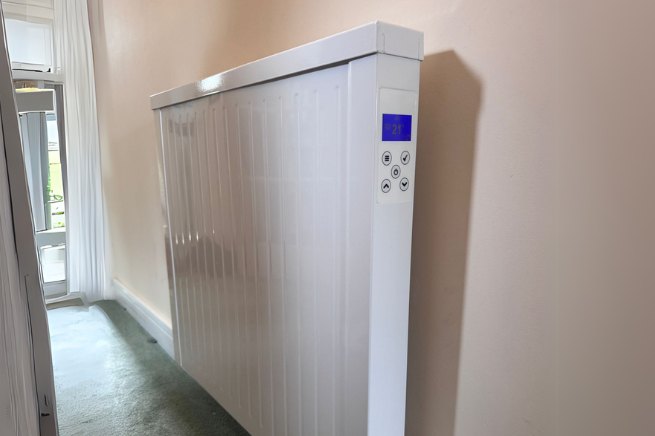
Modern systems like the NEOS electric radiator don’t require any plumbing or complex rewiring. They’re designed to be flat-friendly and landlord-approved.
NEOS electric radiators are:
-
Slimline and wall-mounted, so ideal for small spaces and compact rooms.
-
Programmable room-by-room with 3 options of smart thermostats.
-
Made with a soapstone core, storing heat and emitting it for up to 40 minutes after electricity is switched off.
-
Compatible with modern smart tariffs like the Octopus Cosy Tariff, providing 8 hours of cheaper electricity per day.
-
Made in Britain and backed by a 25 guarantee.
Whether you’re upgrading a single let or 100 flats, the NEOS electric radiator gives you a compliant, efficient system that tenants actually like to use.
Advice for Tenants
If you’re renting a flat with old storage heaters, here’s what you should know:
Use them safely
-
Don’t cover them or block the vents
-
Avoid placing furniture or clothes against them
Use the settings wisely
-
Learn how the input/output controls work
-
Don’t leave them on boost all the time; it costs more
-
Track when your electricity is cheapest
Talk to your landlord
-
If your unit is cracked, yellowing, or not working properly, it may be time to replace it
-
If you’re having to use multiple plug-in heaters to stay warm, mention the cost impact
-
Ask about smart alternatives; they may not know what’s available
Storage Heaters in Flats FAQs
Do I need permission to upgrade heating in a flat?
If you’re the owner of the flat, then it’s usually up to you, unless it affects shared services or external walls. For leasehold flats, check with your property management or landlord.
Can I use the NEOS in a high-rise?
Yes. NEOS electric radiators are fully electric, sealed, and safe for multi-unit buildings. No gas, no pressure systems, and no flues.
Will changing heaters affect my EPC?
Absolutely! Replacing inefficient heaters with modern, Lot 20-compliant radiators can directly improve your EPC rating, especially if you also improve insulation and/or controls.
Is It Time to Rethink Flat Heating?
Storage heaters might have been standard once, but times have changed. Energy prices, tenant expectations, and regulations are all pushing towards better, smarter solutions.
Whether you’re a landlord trying to futureproof your properties, or a tenant looking to reduce your bills, we’re here to help.
Book a free heating consultation today to be left with a free, no-obligation, and no-pressure quote, specifically for your home.
Get in touch by phone or email if you’d like more information and have any further questions.
More on Storage Heaters:
Are Storage Heaters Efficient?
A Guide to Understanding Storage Heaters
Are Storage Heaters Being Phased Out In The UK?
How Long Do Storage Heaters Last?
What Are The Best Alternatives To Storage Heaters?